
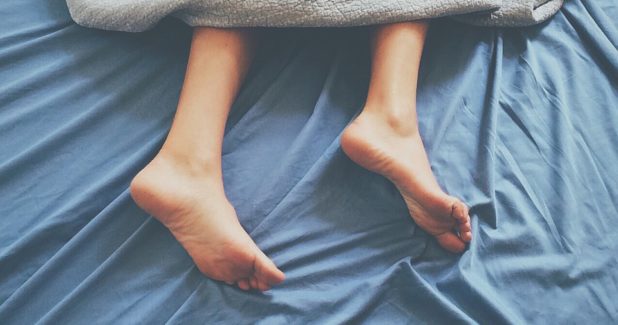
How do I get to sleep?
Healthy Mind, Sleep / / Apr 26, 2017

How do I get to sleep?
It’s one of the most common things I am asked about by my patients- how do I get to sleep? It’s one thing to just not be letting yourself sleep enough (see our article on how much you need to sleep here), but it’s entirely another to put yourself to bed and then lie there, unable to sleep.
Medications are an option, but I’ll be honest- they are usually a poor option. Sleep aids are great when you are trying to get some sleep after flying across a few time zones, but when you are dealing with every day insomnia, they are usually not the best choice. Most cannot be used regularly, most are habit forming to at least some degree and they can have some very unwanted side effects, ranging from the mundane grogginess and headaches, to the more exotic and frightening sleepwalking and sleep eating.
So what is a person to do other than resorting to counting sheep? Fixing a sleep problem will take some time and effort, but it can be done. Here are some steps:
- Set a certain time to get to bed- and stick to it. Getting into bed the same time everyday- no matter if it is a weekday or a weekend- is very important in setting your body up for a smooth transition to sleep.
- Setup a bedtime ritual. Just like a child’s pre-bedtime ritual may include bath and story time, adults often fall asleep more easily when they have a pre-bed time ritual of their own. This may include washing your face and brushing your teeth, maybe 5 minutes of mindful deep breathing, or maybe some quiet time for reflection on the day.
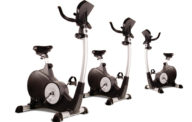
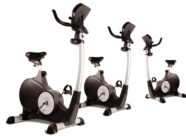
- Do get regular activity. Regular exercise is important for so much of total health- and sleep is certainly one of the areas exercise can impact as well. Getting a good amount of activity in the daytime seems to help the body recognize day and night more easily, further cementing those circadian rhythms the body needs to help recognize when it is time to sleep
- Do not exercise too close to bedtime. How close is too close is different for different people. For some, it may mean no exercise 1-2 hours before bedtime, for others it may mean no exercise past 2 pm. Keep a sleep diary and track when you exercise and how it affects your sleep. Use that information to decide when is the best time for you to exercise
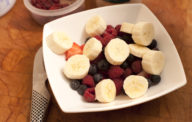
- Try not to go to bed too hungry- or too full. A small snack, preferably with a few carbs, before bedtime is ok when you’re hungry before going to bed but in general, it’s best to avoid large meals at least two hours (or even more) prior to going to bed.
- Avoid alcohol before bedtime. Many people feel that the effects of alcohol help them relax and go to sleep. However, that sleep is usually short lived, with frequent awakenings throughout the night as your body metabolizes the alcohol, resulting in a smaller amount of poor sleep
- Limit caffeine in the afternoon and evening . For obvious reasons, drinking too much caffeine – even in the afternoon- can impact your sleep at night. It’s best to limit caffeine to the am only for most people. Some very sensitive individuals may even have to limit chocolate at night, as the small amount of caffeine in chocolate can impact some individual’s ability to get to sleep.
- Do actually go to bed. I have so many people who tell me their sleep is poor or that they awaken still feeling tired- but when questioned further, it turns out they never actually go to bed- they just fall asleep on the sofa or an arm chair while watching TV. Actually turn off devices and silence things like phones or tablets. Have respect for your body- try to give it the environment it needs for a good restful, healing period of sleep.
Try these measures consistently for a few weeks, and you will likely find that falling asleep gets easier over time. If you are still having trouble with falling asleep, definitely seek the help of your heath care provider. Insomnia can sometimes mask things like restless leg syndrome, thyroid disease, anxiety disorders, or other problems that can keep people rom getting the rest they need.
Comments 0