




815
views
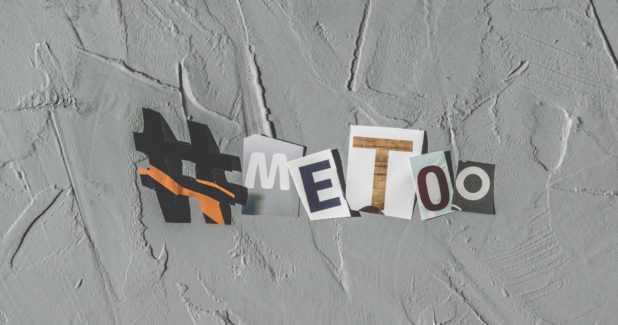
The recent rash of sexual assault and sexual misconduct allegations has been attention grabbing and shocking. The pace of allegations, the length alleged perpetrators went to cover up their acts, the bravery of the women and men coming forward, some of whom have tried to tell their stories for years- all of this has caught our focus and caused many of us to pay attention in a way that we have not before.
We need to ask ourselves why we haven’t paid attention before.
The pace of allegations has been shocking. The length of time the abuse has been going on in many of these cases has been shocking. But the fact that sexual abuse and misconduct is widely prevalent? We’d be kidding ourselves if we pretended that was news. Most working women are aware of the prevalence. In a recent survey, one in three women report being sexually harassed at their workplace. Other studies estimate the number is even higher.
Harassment is widespread. So is sexual violence. One in five women will experience rape according to the National Sexual Violence Resource Center. One in 33 men will be sexually assaulted in their lifetime.
Almost 10% of those rapes will occur in the workplace setting.
Even more disturbing- almost 75% of those harassments, rapes and assaults will go unreported.
Many want to turn this into a partisan issue, a business culture issue, and of course a legal issue. And there are places for all of those discussions. But here we want to look at this through a health-oriented lens. Because there are big health discussions to be had here. And they are discussions many of us do not want to have, because they are uncomfortable, painful and unsettling.
Today I want to tell you what can happen if we don’t have those discussions.
Ages 12- 34 are the highest risk years for sexual assault according to Rape Abuse and Incest National Network. By keeping ourselves silent, we put these young people at more risk.
One of the most disturbing things about the Roy Moore allegations was that when some of these teenage girls were approached, allegedly by a man in his 30’s, they found the attention “flattering” at first. Not disgusting, alarming, or creepy. But flattering. How disturbing is that?
And yet, as parents, mentors, family members, and just all around adults, in some ways we have ourselves to blame for this. If we (and as a female professional, I am lumping myself in this group) don’t talk about what has happened to us, or what we have witnessed, how will our youth become better at protecting themselves and knowing what should make them concerned for their safety. Instead, our silence leaves them unaware of the signs indicating a “flattering” situation is really one that can put them in danger.
Why are we so silent? There are so many reasons. We fear making our own children grow up too quickly, shattering the sense of safety we hope we have created for them as they grow. Harassment and assault are also painful to bring up and relive. Many women and men do not want to dwell on a time they felt powerless or not in control of a situation. And of course, there is the fear (well -deserved) of the victim-blaming backlash that often follows after someone brings their own story to light.
But from a health point of view, sexual assault and abuse are some of the most damaging roadblocks towards achieving good health. Sexual harassment has been associated with higher levels of depression and anxiety. Sexual assault victims go on to become 13 times more likely to abuse alcohol, and more than 20 times more likely to abuse drugs. They have much higher levels of PTSD, depression and anxiety than the rest of the population.
Talking about sexual assault and harassment is hard, but normalizing the discussion helps with one of the biggest problems surrounding these crimes- the shame of being a victim. Sexual assault and harassment are unfortunately common crimes, but victims are isolated in their silence. Speaking about the prevalence, about the culture, about power imbalances helps victims feel safer, and makes it more likely that they will speak and help end the cycle of abuse. It should not be a surprise that once one victim steps forward, often a stream of victims follow. Once one person has been brave enough to give voice to their story, it makes other victims see that they are not alone. It makes being another victim that much less isolating than being a silent victim.
If our culture can become better at talking about these issues openly, and if we can become better at broaching the subjects of personal safety, consent and power imbalances with our children as they grow, maybe we can help create a society where sexual assault and sexual misconduct wither in the light of day, instead of thrive in the silent darkness.








Comments 0